Undergraduate nursing students in the United States can dramatically cut tuition costs and boost their career prospects by targeting dedicated nursing scholarships, which are awarded based on academic merit, financial need, and commitment to the healthcare workforce. By focusing on scholarships that specifically cover undergraduate nursing tuition assistance, clinical rotation stipends, and leadership development, students can secure up to full funding for their degree while gaining valuable professional experience. For a broader view of fast‑funding options, see our guide on no‑essay scholarships for college students in the USA.
Why Nursing Scholarships Matter in 2026
The demand for registered nurses (RNs) is projected to grow 9 % from 2024 to 2034, according to the U.S. Bureau of Labor Statistics, creating a competitive job market that rewards well‑trained graduates. However, the average cost of a four‑year Bachelor of Science in Nursing (BSN) program reached $41,800 in 2025, as reported by the National Center for Education Statistics (NCES). Without financial aid, many aspiring nurses face crippling debt, which can deter them from entering high‑need areas such as rural health clinics or public hospitals. Scholarships directly address this barrier, allowing students to focus on clinical excellence rather than financial strain.
Top Sources of Undergraduate Nursing Scholarships
1. Federal and State Programs
Several government‑funded initiatives target nursing students:
Table of Contents
- Why Nursing Scholarships Matter in 2026
- Top Sources of Undergraduate Nursing Scholarships
- 1. Federal and State Programs
- 2. Private Foundations and Professional Associations
- 3. Hospital and Healthcare System Grants
- Case Study: Maya’s Journey from Scholarship Applicant to RN
- Data & Statistics Supporting Scholarship Success (2026)
- Step‑by‑Step Guide to Securing a Nursing Scholarship
- Step 1: Create a Master List of Opportunities
- Step 2: Align Your Profile with Scholarship Priorities
- Step 3: Perfect Your Application Materials
- Step 4: Submit Early and Follow Up
- Step 5: Manage Award Acceptance and Service Obligations
- Common Mistakes to Avoid
- Frequently Asked Questions (FAQ)
- What is the difference between a scholarship and a grant for nursing students?
- Can international students apply for U.S. nursing scholarships?
- Do I need to be enrolled in a BSN program to qualify?
- How many scholarships can I apply for at once?
- Will receiving a scholarship affect my eligibility for federal student aid?
- Future Outlook: How Scholarships Will Evolve Through 2026‑2027
- Final Takeaway
- Additional Resources
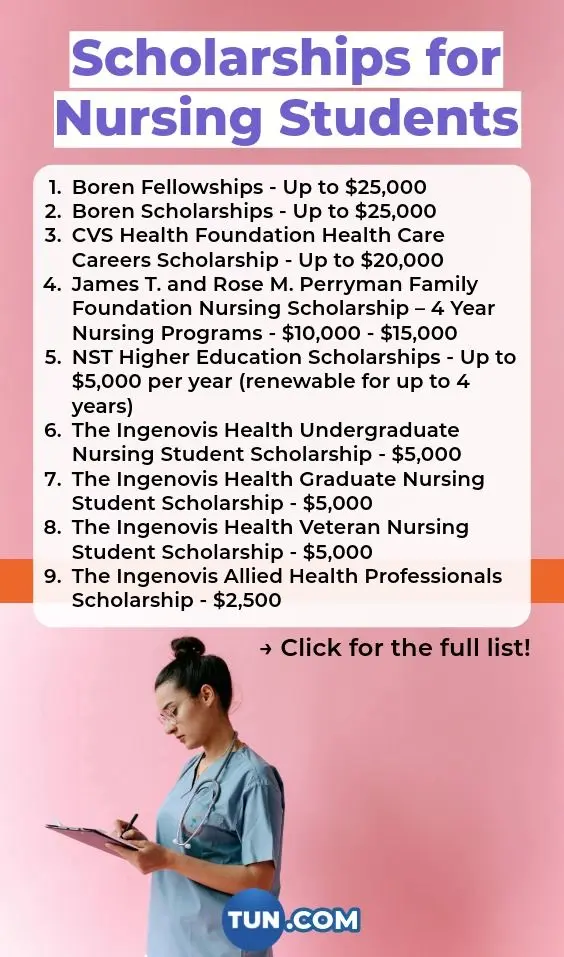
- HRSA Nursing Scholarship Program (NSP) – Offers up to $20,000 per year for tuition, fees, and books, with a service commitment in a health‑profession shortage area.
- National Health Service Corps (NHSC) Scholarship – Provides up to $30,000 per year, plus a living stipend, for students who commit to at least two years of primary care service after graduation.
- State-specific scholarships – For example, the California Nursing Education Loan Repayment Program (CNELRP) awards $5,000–$9,000 annually to nursing students who plan to work in underserved communities.
2. Private Foundations and Professional Associations
Private donors and professional bodies have created robust scholarship portfolios:
- American Association of Colleges of Nursing (AACN) Foundation – Provides the AACN Undergraduate Nursing Scholarship, worth $5,000 to $10,000, to students demonstrating leadership and community service.
- Sigma Theta Tau International Honor Society of Nursing – Offers the STTI Undergraduate Scholarship ranging from $2,500 to $7,500 based on academic performance and research interest.
- Tylenol Future Care Scholarship – Awards $2,500 to $10,000 to nursing students who show a passion for healthcare advocacy.
3. Hospital and Healthcare System Grants
Large health systems often sponsor scholarships to build a pipeline of future staff:
- U.S. News & World Report’s “Best Hospitals” scholarship program – Provides $4,000–$12,000 for students who agree to complete an internship within the hospital network.
- Veterans Health Administration (VHA) Nursing Scholarship – Targets veterans pursuing a BSN, offering up to $10,000 per academic year.
Case Study: Maya’s Journey from Scholarship Applicant to RN
When Maya Rodriguez, a first‑generation college student from Arizona, began her BSN program at Arizona State University in 2024, she faced a $45,000 tuition bill. By strategically applying for a combination of scholarships—including the HRHR‑NSP, the AACN Undergraduate Nursing Scholarship, and a local hospital grant—she secured $32,500 in funding. Maya also leveraged the first‑generation college scholarships guide to craft compelling personal statements that highlighted her commitment to serving underserved populations. After graduating in 2028, she fulfilled her service obligation at a rural clinic, where she now mentors new scholarship recipients, creating a sustainable cycle of support.
Data & Statistics Supporting Scholarship Success (2026)
According to the American Association of Colleges of Nursing’s 2026 Annual Report, 38 % of undergraduate nursing students received some form of scholarship or grant, up from 32 % in 2023. Moreover, a study by the National League for Nursing (NLN) found that scholarship recipients had a 12 % higher graduation rate and were 18 % more likely to enter high‑need specialties such as emergency medicine and geriatrics.
Step‑by‑Step Guide to Securing a Nursing Scholarship
Step 1: Create a Master List of Opportunities
Start by compiling scholarships from federal, state, private, and institutional sources. Use spreadsheets to track eligibility criteria, deadlines, award amounts, and required documents. The apply for scholarships online guide recommends updating the list weekly, as new programs are frequently announced in the spring.
Step 2: Align Your Profile with Scholarship Priorities
Most nursing scholarships value:
- Academic excellence (GPA ≥ 3.5)
- Demonstrated community service, especially in health‑related volunteering
- Leadership roles in student organizations (e.g., Student Nurses Association)
- Clear career goals that address nursing shortages or underserved populations
Tailor your résumé and personal statement to highlight these points, using concrete metrics such as “provided 150 hours of free health screenings at a local senior center.”
Step 3: Perfect Your Application Materials
Key documents include:
- Official transcripts (request electronic copies for faster processing)
- Two to three letters of recommendation—preferably from a nursing faculty member and a clinical preceptor
- A compelling personal essay that tells a story of resilience, purpose, and future impact
- Proof of financial need, if required (FAFSA or IRS tax transcripts)
Proofread meticulously; a single typo can cost you a scholarship worth thousands of dollars.
Step 4: Submit Early and Follow Up
Many scholarships operate on a first‑come, first‑served basis. Submit applications at least two weeks before the deadline and send a polite thank‑you email after submission. If you’re selected for an interview, prepare by reviewing the scholarship’s mission and practicing answers that connect your experiences to that mission.
Step 5: Manage Award Acceptance and Service Obligations
Once awarded, sign the agreement promptly and keep a copy of all terms, especially service commitments. Use a digital calendar to set reminders for reporting hours, renewal applications, and any required community service logs.
Common Mistakes to Avoid
- Missing Deadlines: Even a 24‑hour delay can disqualify you. Use automated reminders.
- Generic Essays: Scholarship committees look for personal narratives, not recycled content.
- Ignoring Eligibility Details: Some scholarships exclude students who have already received certain awards; double‑check.
- Failing to Demonstrate Community Impact: Highlight measurable outcomes of your volunteer work, not just participation.
- Neglecting Follow‑Up: A brief thank‑you note reinforces professionalism and keeps you top of mind for future funding.
Frequently Asked Questions (FAQ)
What is the difference between a scholarship and a grant for nursing students?
Both provide funds that do not need to be repaid, but scholarships are typically merit‑based, whereas grants often focus on financial need and may require a service commitment.
Can international students apply for U.S. nursing scholarships?
Yes, some private foundations (e.g., the Tylenol Future Care Scholarship) and certain university‑specific awards accept international applicants, though federal programs like HRSA NSP are limited to U.S. citizens or permanent residents.
Do I need to be enrolled in a BSN program to qualify?
Most undergraduate nursing scholarships require enrollment in an accredited BSN or ADN program. Verify accreditation through the Commission on Collegiate Nursing Education (CCNE) or the Accreditation Commission for Education in Nursing (ACEN).
How many scholarships can I apply for at once?
There is no limit; applying to multiple scholarships increases your chances of securing funding. Just ensure each application is customized to the specific award’s criteria.
Will receiving a scholarship affect my eligibility for federal student aid?
Generally, scholarship funds are considered “gift aid” and do not reduce your federal Pell Grant eligibility. However, if a scholarship is classified as a “payment” directly to the school, it may lower your calculated need‑based aid.
Future Outlook: How Scholarships Will Evolve Through 2026‑2027
Emerging trends suggest that scholarship programs will increasingly incorporate competency‑based assessments, such as simulated patient care scenarios, to evaluate applicants. Additionally, telehealth expansion is prompting new awards focused on digital health proficiency, offering stipends for students who complete certifications in tele‑nursing. Keeping an eye on these innovations will give applicants a competitive edge.
Final Takeaway
Securing a nursing scholarship is a realistic and strategic path for undergraduate students who want to reduce debt, gain clinical experience, and fulfill a vital role in America’s healthcare system. By methodically researching opportunities, aligning personal strengths with scholarship missions, and perfecting application materials, aspiring nurses can turn financial obstacles into stepping stones toward a rewarding career.
Additional Resources
- HRSA – Health Resources & Services Administration
- American Association of Colleges of Nursing
- National Center for Student Financial Aid (NCFA)
Embark on your scholarship journey today, and let the support you receive today become the foundation of tomorrow’s compassionate nursing leaders.